
led bathroom mirror manufacturer
Understanding the Ring Screw Gauge An Essential Tool for Precision Measurement In the world of engineering and manufacturing, the accuracy of measurements plays a crucial role in ensuring that components fit perfectly and function as intended. One of the tools that professionals frequently use to achieve this level of precision is the ring screw gauge, often simply referred to as a screw gauge or micrometer. This specialized instrument allows for the exact measurement of diameters, thicknesses, and depths, making it indispensable in various fields such as mechanical engineering, metalworking, and quality control. What is a Ring Screw Gauge? A ring screw gauge functions based on a screw mechanism, providing linear measurements with high precision. The device typically consists of a cylindrical ring with a finely threaded screw that moves perpendicularly to the axis of the ring when turned. The distance that the screw moves correlates directly to the measurements taken. Depending on the model, the screw gauge can measure in millimeters or inches, making it versatile for different applications. The ring part of the screw gauge is designed to encircle an object being measured, such as a wire, rod, or rod end. The fit between the ring and the object provides a method for determining its diameter. The screw mechanism, which allows for minute adjustments, gives users the ability to take extremely precise measurements, often down to a thousandth of a millimeter. How to Use a Ring Screw Gauge Using a ring screw gauge is relatively straightforward, although it does require some basic knowledge and practice. Here’s a step-by-step guide on how to use this instrument effectively 1. Preparation Make sure the screw gauge is clean and free from dust or grease . Any contaminants can affect measurement accuracy. 2. Calibration Before measuring, calibrate the gauge by closing it until the two surfaces meet without any gap. This setting ensures that the measurement starts from a known baseline. 3. Placement Open the ring slightly and place it around the object whose diameter you wish to measure. Ensure that the object fits snugly within the ring. 4. Adjustment Slowly turn the screw until it makes contact with the surface of the object. It is crucial to apply gentle pressure to avoid deforming soft materials or damaging the gauge. ring screw gauge 5. Reading the Measurement Once the screw is in place, read the scale on the gauge. Most models feature a main scale and a vernier scale, allowing for precise readings. 6. Record Keeping After obtaining the measurement, make sure to document it accurately for quality assurance or further processing. Advantages of Using a Ring Screw Gauge The ring screw gauge offers numerous advantages over other measurement tools - High Precision With the capability to measure in very fine increments, the ring screw gauge is ideal for applications where exact measurements are critical. - Durability Typically made from high-quality steel or other durable materials, these gauges are built to withstand the rigors of professional use, ensuring longevity. - Ease of Use Once familiar with the instrument, users can quickly and effectively measure various components, contributing to enhanced productivity on the shop floor. - Versatility Suitable for measuring a wide range of materials, including metals, plastics, and composites, the ring screw gauge is an essential tool in many industries. Conclusion In conclusion, the ring screw gauge is a vital instrument that exemplifies the precision needed in modern engineering and manufacturing. By allowing precise measurements of diameter and thickness, it contributes significantly to the quality standards in production processes. Understanding how to use this tool effectively not only enhances the accuracy of measurements but also supports the overall efficiency and success of engineering projects. Whether you are a seasoned engineer or a student learning the ropes, mastering the ring screw gauge is a crucial step in developing your measurement skills and ensuring operational excellence.
about
led bathroom mirror manufacturer
The Significance of Large Granite Blocks in Architecture and Landscape Design Granite, a durable and aesthetically pleasing natural stone, has been a favored material in construction and design for centuries. Among its various forms, large granite blocks stand out for their versatility, strength, and beauty. This article explores the significance of large granite blocks in both architecture and landscape design, emphasizing their historical, functional, and artistic value. Historical Context Historically, large granite blocks have been utilized in some of the most iconic structures around the world. The Great Pyramids of Giza and the temples of ancient Egypt are compelling examples of the use of massive stone blocks that have withstood the test of time. Similarly, the Romans leveraged granite in their monumental architecture, constructing enduring structures like aqueducts and public baths. This historical foundation highlights granite's reputation for longevity and resilience, characteristics that continue to make it a preferred material in modern construction. Architectural Applications In contemporary architecture, large granite blocks serve various functions. They are commonly used in building facades, where their substantial size adds gravity and presence to a structure. The smooth surfaces of polished granite can reflect light beautifully, enhancing the visual appeal of office buildings, museums, and universities. Granite’s thermal mass properties also make it an excellent choice for energy-efficient buildings . It can absorb heat during the day and release it slowly at night, helping to regulate indoor temperatures. Furthermore, the stone is resistant to weathering, making it suitable for exterior applications in various climates. Architects often choose large granite blocks for their structural integrity and their ability to maintain aesthetics over time. Landscape Design large granite blocks In landscape design, large granite blocks play a vital role in creating stunning outdoor spaces. They can be utilized in various ways, from retaining walls to seating areas, and even as decorative features. When used in gardens, these blocks can create a sense of permanence and solidity, grounding the design in nature. Granite boulders are particularly popular in naturalistic designs. They can be strategically placed to mimic the look of natural rock formations, enhancing the landscape's organic feel. Additionally, granite is often chosen for pathways and steps; its non-slip surface provides safety while maintaining an earthy aesthetic. By integrating large granite blocks into a landscape, designers can create focal points that attract the eye and draw individuals into the space. Artistic Expression Beyond their functional uses, large granite blocks offer unique opportunities for artistic expression. Sculpture is one of the most traditional art forms involving granite, with artists carving massive blocks into intricate forms. This practice can be observed in many public spaces, where monumental sculptures made of granite provide both beauty and contemplation for viewers. Moreover, large granite blocks can be used creatively in site-specific installations. Contemporary artists often use these massive stones in conceptual works that engage with their environment, history, or cultural significance. These installations can provoke thought and dialogue about the relationship between human beings and nature or the stories embedded in geological materials. Conclusion In conclusion, large granite blocks embody a rich blend of historical significance, functional versatility, and artistic potential. Their durability ensures that they can withstand the ravages of time, while their natural beauty enhances both architectural designs and landscape settings. As humanity continues to innovate and explore new uses for natural stone, large granite blocks will undoubtedly remain integral to the conversation surrounding building materials and design aesthetics. Whether in monumental architecture, intimate gardens, or bold public art, granite blocks are a testament to the enduring appeal of nature’s artistry.
-

High quality industrial productsagement

High quality industrial products
View Details -

Meet the diverse needs of customers

Meet the diverse needs of customers
View Details -

Strict quality control

Strict quality control
View Details -

Top raw materials

Top raw materials
View Details -

Trusted supplier

Trusted supplier
View Details
Our application


news and information

Welding Techniques for Achieving Precision with V Blocks in Fabrication Processes
The Importance of Welding V Blocks in Precision Engineering Welding v blocks are essential tools use

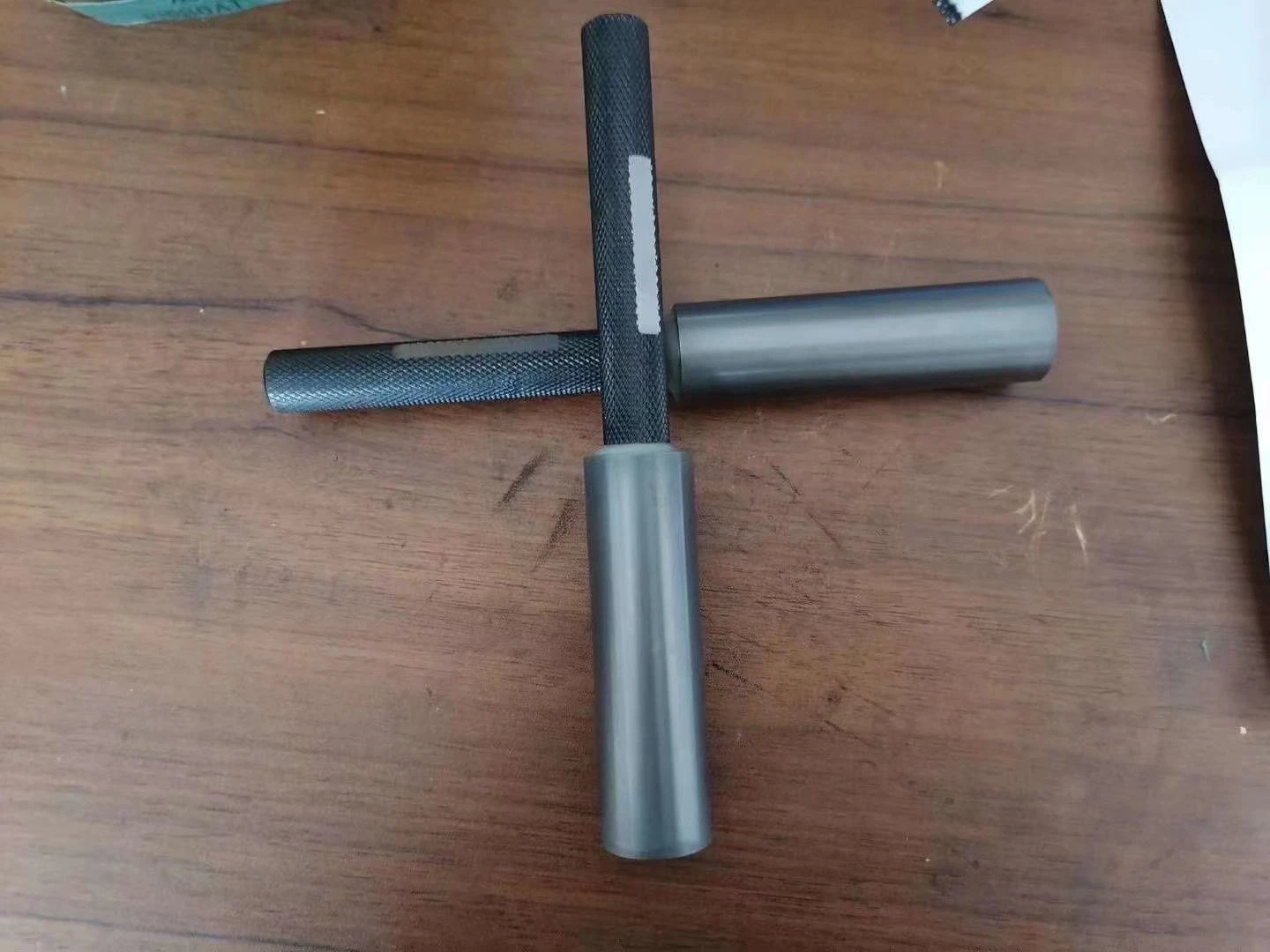
Using Thread Ring Gauges for Accurate Measurement and Quality Control in Manufacturing Processes
The Importance of Thread Ring Gauges in Quality Assurance In the world of manufacturing and engineer
Versatile Clamps for Efficient Fabrication Table Solutions and Secure Workholding
fabrication table clamps .
 English